
Snowbirds leave for months, alley garages in the older neighborhoods sit out of sight, and a lot of houses still run the opener that came with them. Those are the three things behind most of the security calls we take. Here's the list we work through, from habits that take a minute to hardware that goes in during one visit.
Tell us what the door is doing. The estimate is free and precedes everything else.
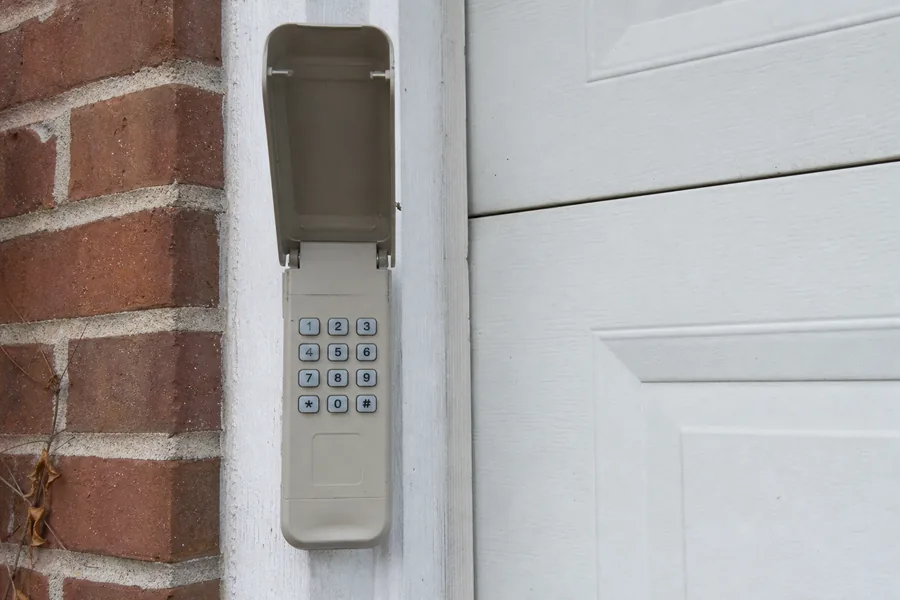
A garage is almost never broken into with a crowbar. It's opened with something already lying around: a clicker on the sun visor of a car parked outside overnight, a keypad code set by whoever owned the house years ago, the red release cord within reach of the gap at the top of the door, or a kitchen door left unlocked because the garage feels like part of the house.
All four gaps close with a mix of habits and hardware.
An unshoveled driveway in January tells anyone driving by that the house is empty for the season.
Along the older blocks near the river, detached garages face alleys that nobody on the street can see down.
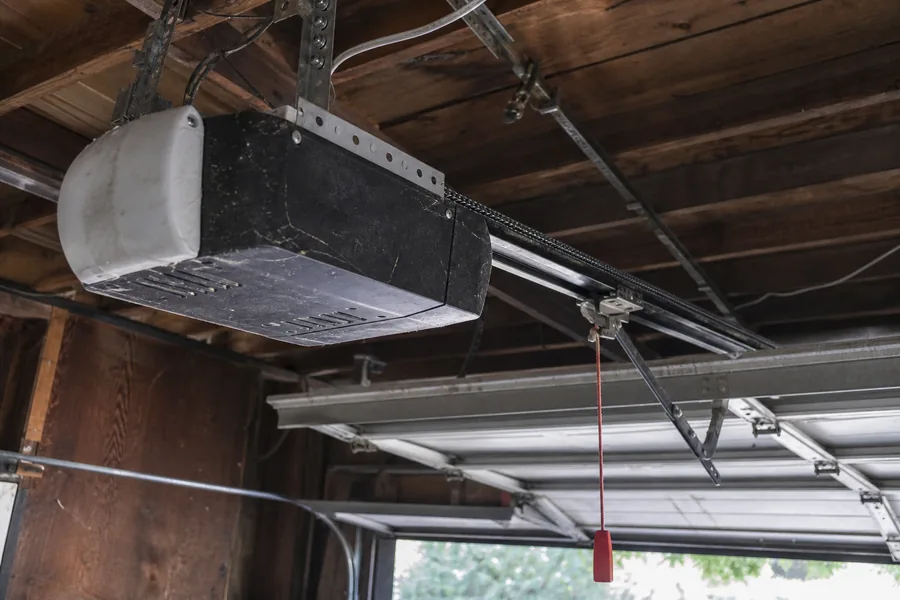
When an ice storm knocks the power out, the red cord hanging from the opener rail is how the door gets opened by hand, so it has to stay where it is. The weak spot is that on certain doors it hangs close enough to the top gap to be snagged from outside.
The fix is a guard that encloses the trolley. Inside the garage, a pull on the cord still frees the door during an outage; outside, the cord is out of reach. It's a small part, installed in a short visit, and it tops our list for alley garages.
The first four are habits; the last five are parts we install.
Since the late nineties, openers have used rolling codes, a new signal every time. Before that, fixed-code openers broadcast one signal over and over, and that signal can be recorded. An opener from that earlier era is worth replacing before anything else on this list.
A quick look at the motor housing tells the technician which era yours is from, and what a replacement would involve, with a free estimate.
Lots of homes in the older neighborhoods are still on an opener from the nineties or before.
Before heading south: vacation mode on, the track bolt set, clickers out of every car, the kitchen door deadbolted, notifications on, a neighbor with your number, and someone booked to plow or shovel so the driveway doesn't advertise an empty house.
Home again in spring, slide the bolt out before using the opener, so it doesn't strain its gear against a locked door.
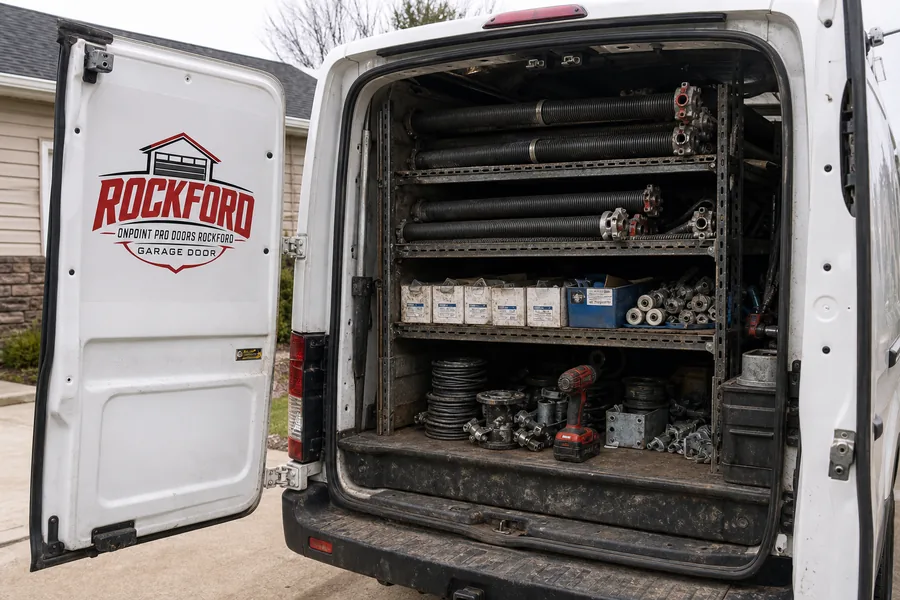
Cord guards, track bolts, deadbolts and solid doors for the kitchen entry, solid insulated door sections, Wi-Fi openers and retrofit modules, and rolling-code openers to take over from fixed-code ones. Most of it fits into one visit.
On detached alley garages, a cord guard, a deadbolted side door and phone notifications together close most of the gaps.
There's no walkthrough here for getting into a garage that isn't yours. The protections above are the useful part.
"Shut is secure." Only if the cord is out of reach, the clickers are inside and the kitchen door is locked.
"Smart openers can be hacked." With a strong password, a current model is the safer choice, because you hear about every opening.
"Nobody bothers with the walk-in door." On an alley garage it's usually the first one tried.
Yes. The guard only blocks the outside approach; inside, the cord hangs where it always did and frees the door the same way. It installs quickly.
A fixed-code unit, yes; a rolling-code unit can stay. The technician can tell on the visit.
Most sectional doors take one. It mounts in the track, and the opener is set so it can't strain against a bolted door. It's a good fit for garages left empty all winter.
It reads as frosted glass and still lets daylight in. A solid insulated section is the alternative, and it holds heat in too. Insulated sections also cut the cold coming through the door.
Yes, throughout Winnebago County and the nearby towns. You'll hear what we'd recommend and why, and saying no is fine.
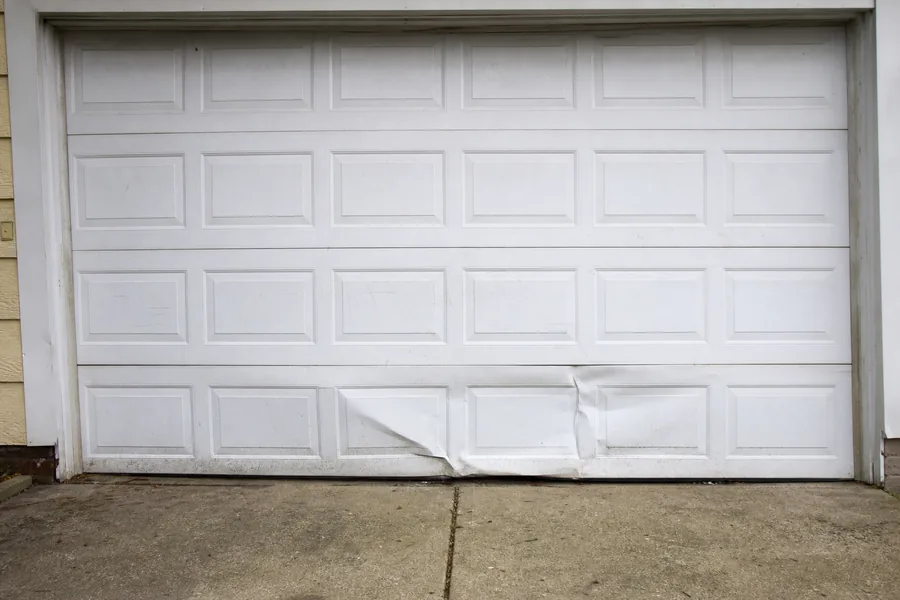
Usually. These are short jobs, and a break-in on your street pushes them up the list. Mention any damage to the door itself.
Churchill's Grove to Cherry Valley, a single call sets up a two-hour arrival window, and the technician phones before heading over.
Free estimate. Throughout Winnebago County, including Churchill's Grove, Signal Hill, Rolling Green, Loves Park, Machesney Park, Belvidere, Roscoe, Rockton, Cherry Valley.
Tell us what's worrying you and you'll get an arrival window. The visit and the estimate are free across Winnebago County.
Easier to explain by phone? Call (815) 446-3251.
The opener's age, any walk-in door, and how long you'll be away. The estimate is free and comes first.