
A garage door you can check from your phone earns its keep on a below-zero night. We put in Wi-Fi openers, bolt app control onto openers that are already hanging, and fix the ones that went missing from the network, on both sides of the river. The estimate is free.
Tell us what the door is doing. The estimate is free and precedes everything else.
Most people who ask us for a smart opener tell the same story. The door was left up overnight in January, and at breakfast there was a drift across the floor and a garage as cold as the driveway. An opener with an app would have sent a note the moment the door stayed open, and it could have been closed from bed.
The other reasons are everyday ones. A kid who forgets the door after school, a relative who needs to get in while you're at work, a package you'd rather have inside than on the step. The app shows where the door is right now and keeps a list of every time it moved, so nobody has to guess who left it open.
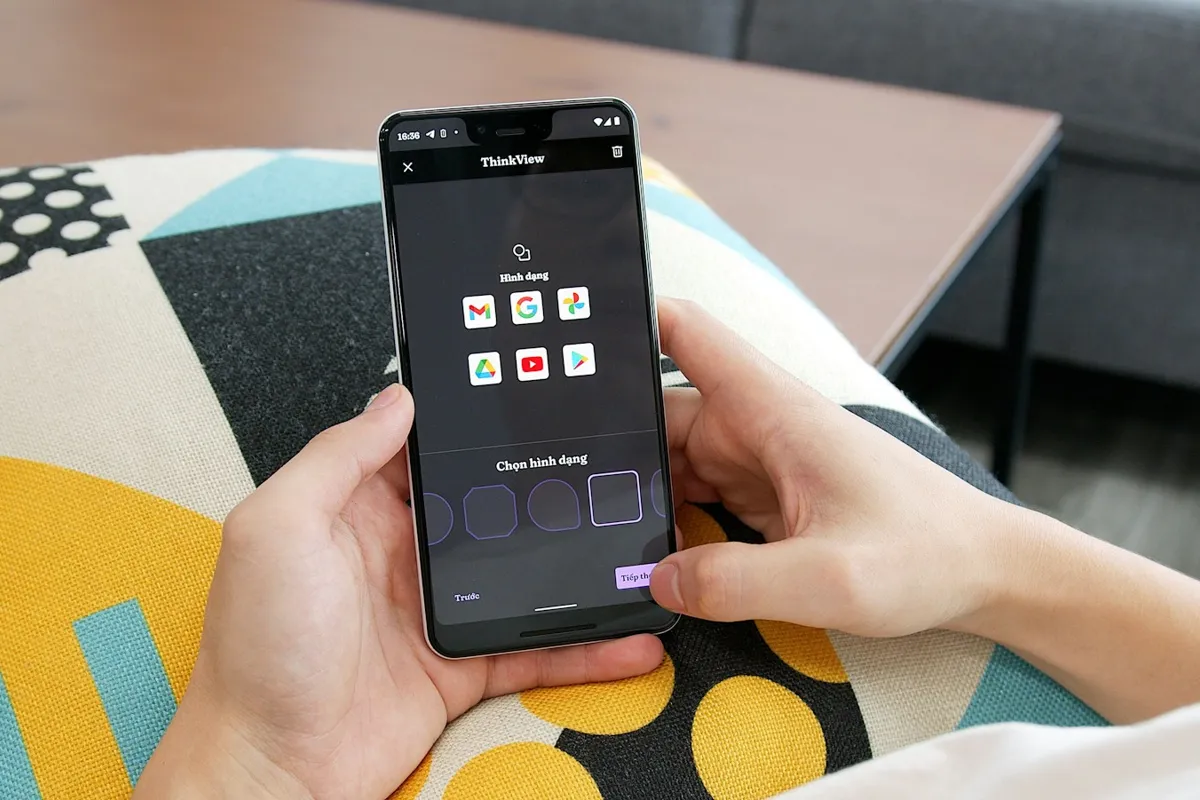
Option one is a fresh opener with Wi-Fi already inside. LiftMaster and Chamberlain units connect through the myQ app, Genie units through Aladdin Connect, and the current models from both are made for it.
The other route keeps the opener you have. A small hub wires to its terminals, and a tilt sensor on the top panel lets the hub know if the door is raised or lowered. On an opener that still lifts the door easily and reverses when it should, this is usually the smaller job.
An opener with no safety eyes at the floor, or with eyes that were unplugged long ago, doesn't get remote control from us. Neither does one that labors to move the door. You'll hear which route fits before anything is ordered.
A detached garage at the back of the lot, off the alley, can sit a long way from a router in the front room, and a block or brick wall in between eats most of what's left. Most of these openers also only speak the slower 2.4 GHz side of a router, and a router that merges both sides under a single name can leave them stranded at setup.
So the signal is measured standing at the door before a single bracket goes up. When it's thin, the fix is usually an extra mesh node or a booster nearer the back of the house, and you'll know that at the estimate rather than after the install.
Your network equipment stays your choice. Our job is making sure the opener can reach it, and that it rejoins the network on its own after the router restarts.
Remote control carries one risk that belongs to deep-freeze country. When the bottom seal has frozen to the slab, the opener pulls against ice. Someone standing in the garage sees one corner lift and lets go of the button. With the app, nobody sees it, and that is how a cable jumps its drum or a section creases.
That's why force and travel are set with care at the install, so the opener gives up instead of tearing a frozen door loose, and why a torn or brittle bottom seal gets pointed out on the visit. A sound vinyl seal stays flexible in the cold and lets go of the concrete more readily than a cracked rubber one.
The springs lift the door. The opener only steers it up and down. A spring that has lost its strength, or a cable fraying where road salt sits at the bottom bracket, leaves the opener straining, and a straining opener run from an app stops halfway with nobody there to notice.
Every smart opener job starts with the door itself: springs, cables, rollers, hinges and the balance by hand. Anything that needs work is written into the free estimate, and whether it's done first is up to you.
Units made for remote use give a few seconds of blinking and beeping before an unattended close, since whoever pressed the button could be at the other end of the county. The floor-level eyes and the reverse get a real test, with a board laid on the threshold, before the job is signed off.
On the east side, plenty of split-levels have a bedroom over the garage, and whoever sleeps there hears every early departure. A belt drive is the quiet one, and it's what we suggest when someone sleeps above the door.
A chain drive is louder but shrugs off a cold detached garage, where the noise bothers nobody. A wall-mount unit sits beside the door on the spring shaft and leaves the ceiling clear for storage racks, as long as the door runs on torsion springs.
All three come with Wi-Fi now, so the drive is chosen for the house and the door, and the smart part comes along with it.
Smart setups that worked for a season and then went quiet usually show one of a few signs: offline in the app, a position that's wrong, a door that ignores the phone but obeys the wall button, or a setup that quit after a summer storm knocked the power out. The cause might be the network it was paired to, the tilt sensor on the door, or the circuit board inside the motor head.
A short description on the phone, the message on the screen and what the door did, usually narrows it to one suspect before the truck rolls. When the opener underneath has seen its last winter, fixing it and swapping it appear next to each other on the estimate.
A smart opener visit runs in four parts, new opener or add-on.
Often. A bolt-on hub suits most openers whose safety eyes still work. One without eyes, or one struggling with the door, is better replaced, and the technician tells you which yours is during the free estimate.
Yes. The app can alert you when the door opens, and many systems can also tell you when it has stayed open. Some units will bring the door down by themselves once a timer you pick runs out.
No opener moves the door without power unless it has a battery backup. Models with a backup keep working on the battery for a while. When the power returns, the opener should rejoin your network on its own; if it doesn't, that's a short visit.
The wall button, the remotes and the keypad all keep working. Only the phone features wait for the internet to come back.
Opening and closing from the app is normally part of the purchase. A few makers charge for add-ons like keeping camera recordings, and the technician can tell you what the model on your estimate includes.
Yes. Most systems let you invite family members, and many can give someone access for a set period without a remote changing hands.
Yes. Door, opener and reception all get looked at, the fitting route is explained, and you have the free estimate in hand before anything is touched.
We need three things: a name, a number, and what the door is doing. Everything before you agree to it asks nothing of you, across the whole of Winnebago County.
Easier to explain by phone? Call (815) 446-3251.
Tell us what the door is doing. The estimate is free and precedes everything else.